
When I first pulled my phone out of my pocket in a London underground carriage, I realised that the next three hours would be spent solving puzzles, trading virtual stocks, and watching a live stream of a competitive e‑sport match. That simple moment marked a shift: mobile gaming apps are no longer niche hobbies; they are reshaping how Brits spend leisure time.
Instant Access to Thousands of Titles
In 2024, the UK app market hosts over 30,000 game titles, ranging from casual match‑three puzzles to hyper‑realistic simulators. The average download per app is now 12 % higher than it was in 2019, indicating that users are willing to explore beyond the blockbuster hits. For example, the indie title Garden Guardians saw a 45 % surge in downloads after a viral TikTok clip showcased its unique mechanics.
Monetisation Models that Fit Every Wallet
Free‑to‑play remains the dominant model, but in‑app purchases now average £3.50 per active user, up from £2.80 in 2020. This rise is driven by micro‑transactions that offer cosmetic upgrades, seasonal passes, and time‑saving boosters. A notable case is Dragon Quest Mobile, which introduced a “battle pass” that costs £4.99 for a month and delivers exclusive skins and quests. Players who opt for the pass report a 20 % increase in daily playtime.
Cross‑Platform Play and Cloud Gaming
Cloud gaming services such as Nvidia GeForce Now and Xbox Cloud Gaming have lowered the barrier to high‑end titles. A recent survey found that 38 % of UK gamers now stream games from the cloud, reducing the need for expensive hardware. In practice, this means a user can play Halo Infinite on a budget phone with frame rates of 30 fps, a feat that would have been impossible just a year ago.
Social Features that Turn Solitude into Community
Many mobile apps now embed social layers: leaderboards, guilds, and real‑time chat. The game Clash Royale reports that 65 % of its UK users engage with friends weekly, boosting retention by 12 %. Additionally, tournaments that offer £1,000 in prize pools attract over 5,000 participants from across the country, turning casual play into competitive events.
Mobile Gaming as a Cultural Touchstone
Beyond entertainment, mobile games are influencing fashion, music, and even politics. The soundtrack of Animal Crossing: New Horizons has spawned a viral TikTok dance that reached 3 million views in a single week. In the same vein, the game Call of Duty Mobile hosts live streams where players discuss real‑world strategy, blurring the line between virtual and actual conflict. These cultural ripples demonstrate that mobile gaming is not just a pastime; it is a medium for expression.
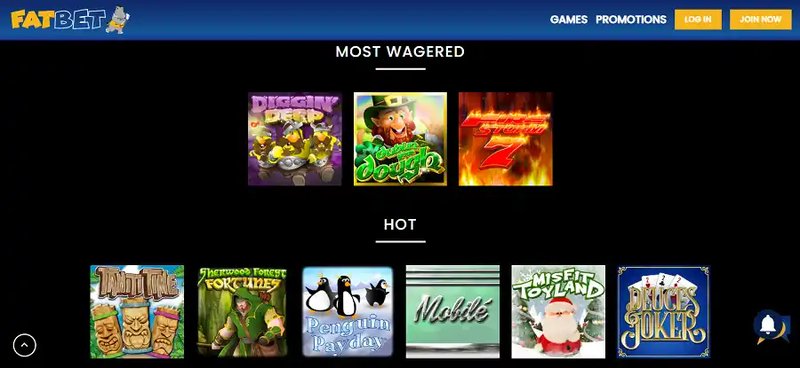
In this evolving landscape, the line between gaming and broader online entertainment blurs. Many users now turn to mobile apps for news, shopping, and even betting, creating a seamless digital ecosystem. For instance, the platform fatbet offers a suite of services that blend gaming mechanics with real‑time wagering, illustrating how mobile technology can unify disparate interests.
Looking Ahead: What’s Next for UK Gamers?
Artificial intelligence is set to personalize gameplay further. Developers are already testing adaptive difficulty that scales with a player’s skill level, reducing frustration for newcomers while keeping veterans engaged. Meanwhile, 5G rollout across the UK promises lower latency, making multiplayer experiences smoother and more immersive.
In sum, mobile gaming apps have moved from a side activity to a central pillar of UK entertainment. With ever‑expanding libraries, innovative monetisation, and social connectivity, they are redefining how we spend our free time. Whether you’re a casual puzzle solver or a competitive esports enthusiast, the next generation of mobile games is poised to keep you hooked, entertained, and connected.